
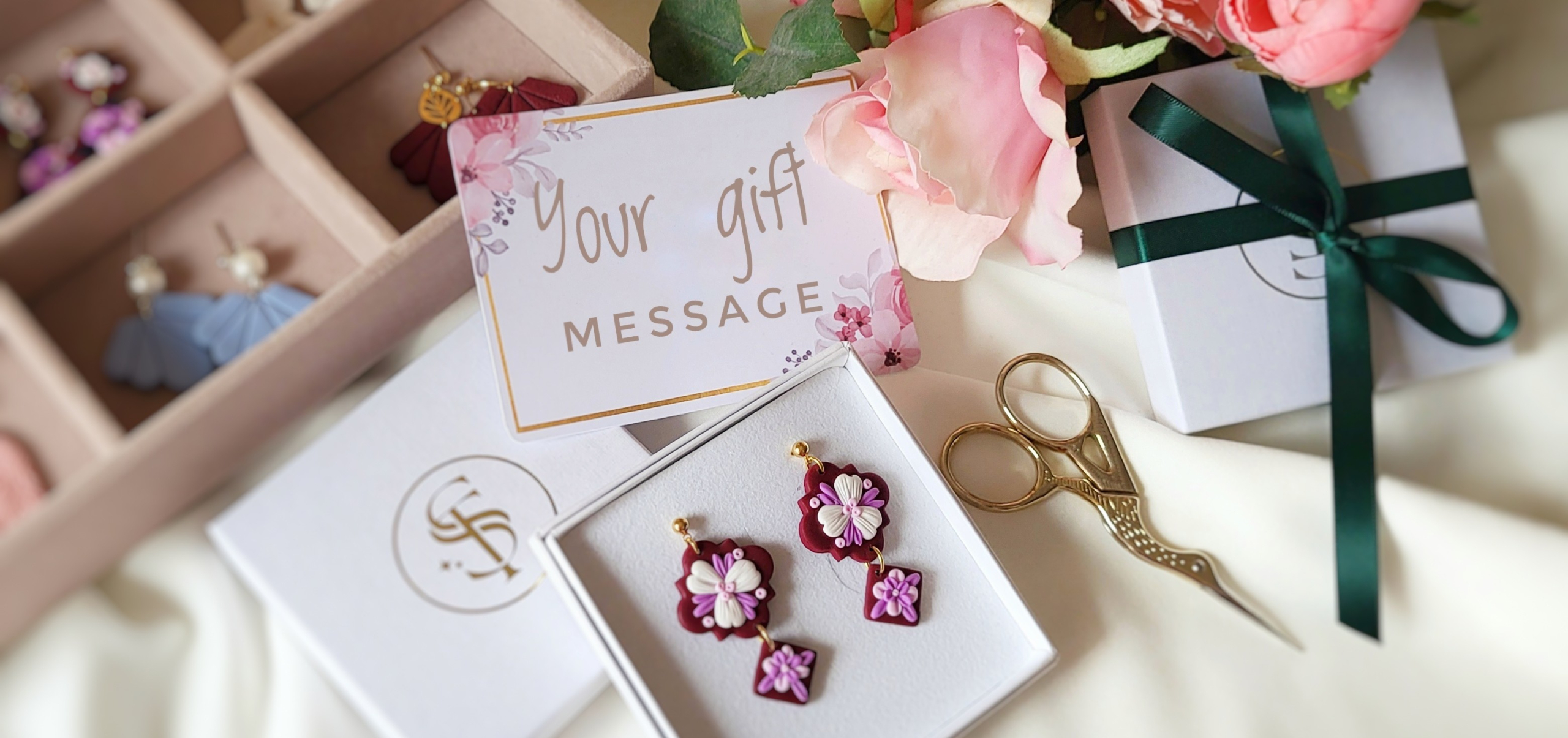
Our Commitment to the Planet At Susan Taylor Studio, beauty and responsibility go hand in hand. Every piece of art and jewelry is created with a deep respect for the Irish landscape that inspires it. We strive to minimize our environmental footprint through the following measures:
Small-Batch & Made-to-Order: We believe in “slow-craft." By working in small batches or on a made-to-order basis, we eliminate overproduction and ensure that no materials go to waste. Every item is handcrafted with intention.
Zero-Waste Philosophy: From the initial sculpting to the final brushstroke, we carefully manage our materials to achieve a near-zero-waste production process.
Eco-Friendly & Plastic-Free Packaging: Your order will arrive in 100% sustainable packaging. We use recycled paper, FSC-certified cardboard, and biodegradable materials. We have completely removed single-use plastics from our shipping process.
Timeless Quality: By using premium materials like archival acid-free paper and freshwater pearls, we create “heirloom-quality" pieces. Our goal is to move away from fleeting trends and offer timeless designs that are meant to be cherished for a lifetime.
A Note on our Materials: Conscious Crafting with Polymer Clay
While polymer clay is a versatile medium, we approach its use with deep environmental consciousness. Unlike mass-produced plastic items, our clay creations are:
Zero-Waste in Production: One of the greatest benefits of this material is that it never truly 'expires' before baking. Every scrap, trim, and leftover piece is saved, conditioned, and reused to create new designs or structural elements. Nothing goes to the bin.
Built to Last: We create heirloom-quality jewelry, not fast-fashion accessories. Once cured, polymer clay is incredibly durable, flexible, and long-lasting. By making high-quality pieces that don't break or degrade easily, we encourage a 'buy less, buy better' philosophy, reducing the cycle of disposable consumption.
Energy Efficient: Our curing process happens in small, energy-efficient batches at low temperatures (110-130 °C ), requiring significantly less energy than traditional ceramic kilns or industrial manufacturing.